Cultural self-improvement
My PolicemanCultural self-improvement becomes a shared project for Marion Taylor, Tom Burgess, and Patrick Hazlewood: a way to move from tentative talk about art and books into concerts, films, theatre, poetry, and opera. It matters not as a polished ideal of refinement but as an emerging companionship. Tom wants access to a world he has felt uncertain about; Marion discovers that her interests need not be hidden; and Patrick makes their curiosity part of a life they can explore together.
From private interest to shared ambition
Marion’s account places the beginnings of this exchange in her Saturday swimming lessons with Tom. As they met each week, their conversations gradually extended beyond the lessons. They discussed his work in the police, her teaching, and the Russian space dog Laika; sometimes they talked about books. Marion remembers taking care not to say too much about literature, because she was more enthusiastic than Tom. Her caution reflects a learned sense that talking about culture could look like showing off or aspiring beyond one’s station. The conversations with Tom altered that expectation: he wanted to hear about the things that interested her, and she understood that he wanted a part in them too.
The desire was reciprocal rather than a one-way effort to educate Tom. Marion remembers them as both hungry for another world, and imagines that Tom might become her partner in an undefined adventure. The possibility takes shape in small exchanges, not in a formal course of instruction. On the walk back from the pool, wrapped in towels, Tom asks about art. Marion can offer what she knows from studying art at A level: she likes the Impressionists, especially Degas, as well as some Italian painters. His question gives her interests room to be spoken aloud, while his willingness to ask makes learning an activity they share.
Tom names the project
The idea becomes explicit when Tom, suddenly shy, tells Marion that he has enjoyed their conversations about art and books. He explains that Patrick is helping him as well, and, when Marion asks what that means, calls it an effort “To improve my mind.” The hesitant admission makes self-improvement sound less like a claim to sophistication than a hope he is not yet sure he can voice without being laughed at. Marion’s assurance that she will not laugh is answered by her account that neither she nor Patrick ridiculed the pair’s ignorance; instead, Patrick encouraged their curiosity.
Tom’s stated aim also gives a name to what the three have begun doing together. For a few months, Marion says, they become “quite the threesome.” She does not claim to know how often Patrick saw Tom alone, only that she suspects it was once or twice a week, depending on Tom’s police duties. That uncertainty leaves some of their time outside her view, even as she describes the shared cultural outings in detail. The project therefore joins the three without making their experiences identical: Patrick is both a companion and a guide, while Tom and Marion remain learners whose tastes do not always match his.
A widening programme of experiences
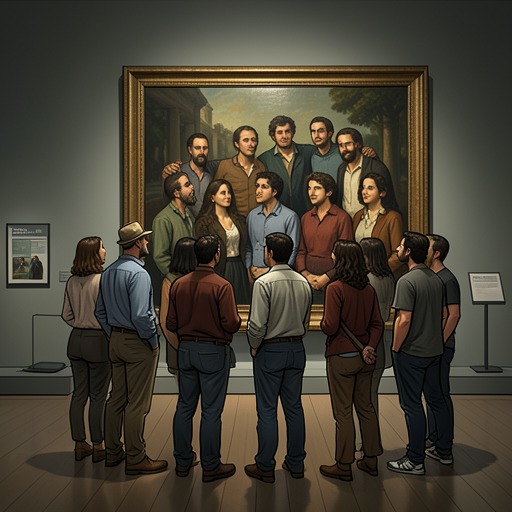
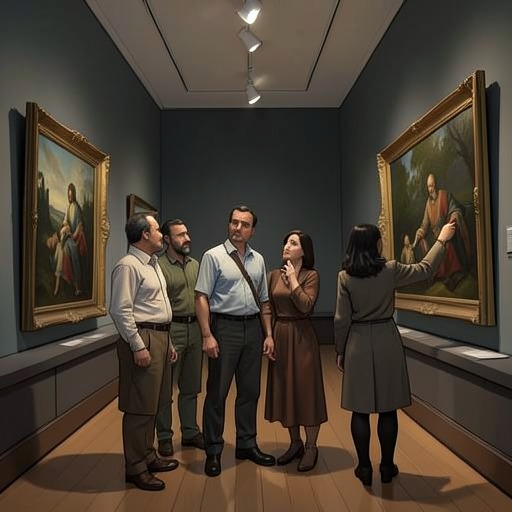
With Patrick’s encouragement, the group goes to the Dome to hear Elgar’s cello concerto, sees French films at the Gaiety Cinema, and attends Chicken Soup with Barley at the Theatre Royal. Patrick also introduces them to American poetry. He likes e. e. cummings, but neither Tom nor Marion shares his enthusiasm to the same extent. The difference matters: cultural self-improvement here does not mean that the three acquire a single approved taste. Their participation includes disagreement and varying degrees of interest, rather than a simple progression from ignorance to agreement.
One January evening, Patrick takes Tom and Marion to London to see Carmen, choosing an opera whose story of lust, betrayal, and murder he considers a suitable introduction. Marion remembers the occasion through the details of being new to the setting. Tom wears the suit he had worn to his sister’s wedding; Marion buys white gloves specially because she thinks gloves are obligatory at the opera. They do not fit properly, and she keeps flexing her fingers against the constricting rayon. On the frosty train journey, her palms sweat. These details make the outing more than an item on a cultural itinerary: they show Marion negotiating the unfamiliar conventions of an experience she wants to enter.
Companionship, confidence, and unequal ease
The outings also reveal practical differences in how the group occupies cultural spaces. Patrick usually insists on paying, wherever they go. Tom protests noisily, stands up, and rummages in his pockets for change; sometimes Patrick lets him pay his way, though Marion notices Patrick’s drooping mouth and impatient wipe of the brow. The account does not reduce their companionship to money, but this recurring exchange places their shared education within ordinary questions of who pays and who gets to decide. Patrick’s invitations open doors, while Tom’s protests preserve his claim to participate on his own terms.
For Marion, the change is especially visible in the freedom to talk. She had thought that openly discussing cultural interests risked appearing boastful or out of place. With Tom, and then with Patrick’s encouragement, that restraint loosens. Tom’s interest does not require her to conceal what she knows, and his own wish to learn is met with encouragement rather than ridicule. The result is not a finished transformation into connoisseurs: Marion dislikes many of the French films, and the American poet Patrick admires does not win her or Tom over. Cultural self-improvement instead names the developing practice of asking, listening, attending, and discovering what each person can enjoy. Its significance lies in that shared permission to be curious, and in the sense that cultural life might become an adventure undertaken together.